
Gynecology World Conference 2026
Speakers - GWC2026
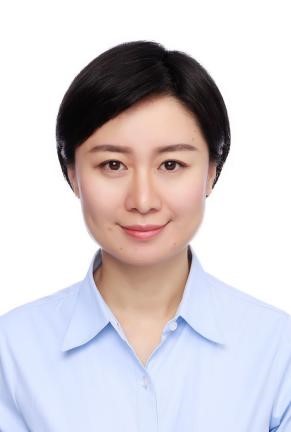
Pei Yan Liang
Pei Yan Liang
- Designation: Shenzhen Polytechnic University
- Country: China
- Title: Normalization of High CA 19 9 with a Two Month Combined Regimen of Blood Letting Cupping and Daoist Qi Circulation Guiding Therapy and Daoist Qi Meditation Practice: A Case Report
Abstract
A 44-year-old female patient was found to have an elevated level of the tumor marker carbohydrate antigen (CA 19-9), measuring 179.74 U/mL (normal range: 0–36 U/mL), during her annual routine physical examination. Ultrasonography revealed an extremely hypoechoic nodule in the mid portion of the right thyroid lobe. According to the C-TIRADS classification, the nodule was categorized as Category 4c.
Following consultation with specialist physicians, she underwent a comprehensive hematological workup, diagnostic imaging, and gastrointestinal endoscopy. The only significant abnormal finding was on the 18F-FDG-PET/CT, which demonstrated a heterogeneous, hypodense nodule in the right thyroid lobe with mild hypermetabolism.
The patient expressed a preference for conservative management and declined fine-needle aspiration (FNA) of the thyroid. She was interested in exploring Traditional Chinese Medicine and willing to practice Daoist Sitting in Stillness to Cultivate Qi. After providing informed consent, she received a combination of Blood-Letting Puncture and Cupping at specific acupoints on the back along with Daoist Qi Circulation and Guiding Therapy. Sessions were scheduled at intervals of one to two days. Thermal imaging recorded a temperature increase of 1–3°C at the Bubbling Spring acupoint (KI-1) during each procedure. A notable physical change observed during the treatment was the appearance of multiple blisters on the abdomen after the third session, which persisted for one month.
After two months of treatment, the CA 19-9 level decreased to 32.84 U/mL, within the normal range. The patient consistently practiced Daoist health-preserving meditation. Follow-up CA 19-9 tests performed at three months and one year remained within normal limits.
Welcome to GWC 2026 – Gynecology World Conference. July 20–22, 2026 | Singapore
...
Read More>>
Organizer
