
Gynecology World Conference 2026
Speakers - GWC2026
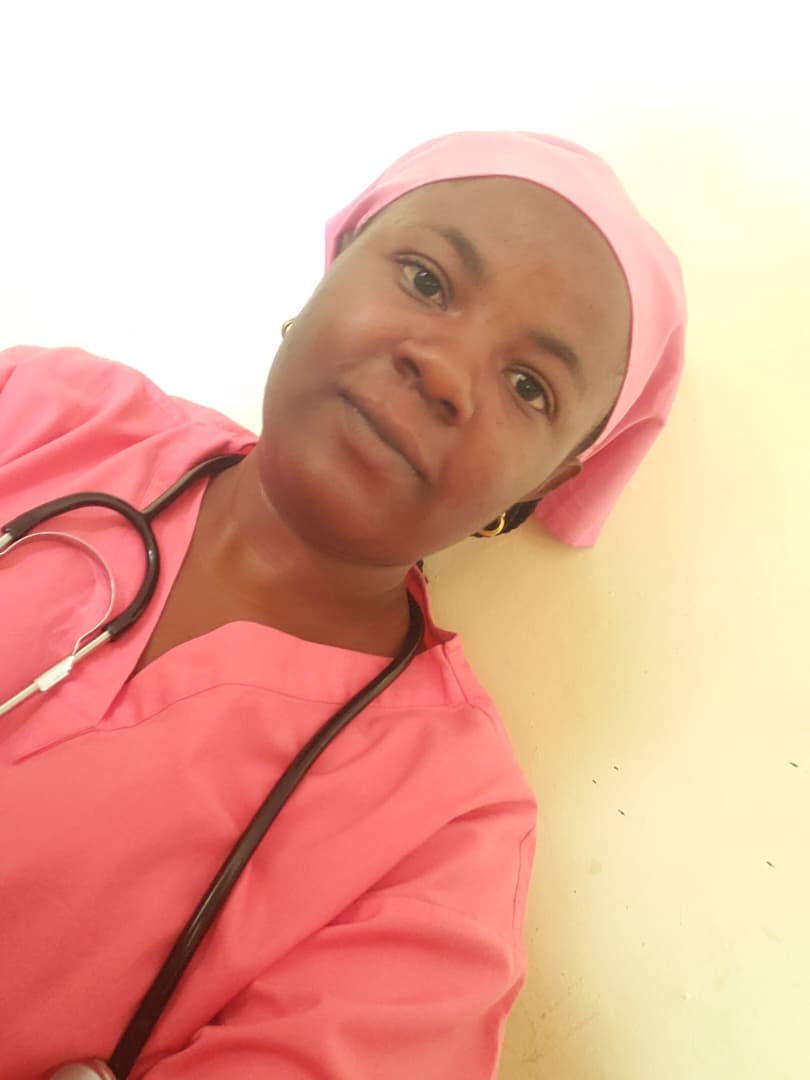
Olga Mukamate
Olga Mukamate
- Designation: Higher Institute of Medical Techniques
- Country: Democratic Republic of congo
- Title: Early Recognition and Initial Management of Postpartum Hemorrhage in a Resource Limited Maternity Setting
Abstract
Background: Postpartum hemorrhage (PPH) remains one of the leading causes of maternal morbidity and mortality worldwide, particularly in low-resource settings. Delays in diagnosis and inadequate emergency response contribute significantly to preventable maternal deaths. Strengthening frontline clinical skills in early recognition and immediate management is essential to improve survival.
Objective: To describe practical approaches for early detection and initial management of postpartum hemorrhage and their impact on maternal outcomes in a resource-limited maternity unit.
Methods: This report is based on clinical experience in a maternity care setting providing delivery and postnatal services. Frequent causes of PPH observed included uterine atony, retained placental tissue, and genital tract trauma. Management strategies emphasized active management of the third stage of labor (AMTSL), close monitoring of vital signs and vaginal bleeding, immediate uterine massage, timely administration of uterotonics (oxytocin and misoprostol when needed), establishment of intravenous access, fluid resuscitation, and rapid referral for advanced care when bleeding persisted.
Results: Consistent use of AMTSL and vigilant monitoring after delivery improved early identification of excessive bleeding. Prompt initiation of uterine massage and uterotonics helped control many cases of atonic PPH. Early IV fluid resuscitation and timely referral for surgical intervention in severe cases contributed to stabilization of patients and reduction of severe maternal complications.
Conclusion: Postpartum hemorrhage can be effectively managed at the primary care level when early recognition and standardized emergency measures are applied promptly. Strengthening provider training, ensuring availability of essential uterotonics, and establishing clear referral pathways are critical steps to reducing maternal mortality from PPH in low-resource settings.
Welcome to GWC 2026 – Gynecology World Conference. July 20–22, 2026 | Singapore
...
Read More>>
Organizer
