
Gynecology World Conference 2026
Speakers - GWC2026
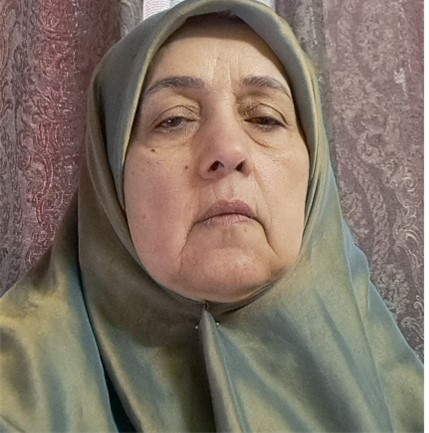
Narges Bagheri Lankarani
Narges Bagheri Lankarani
- Designation: Royan Institute
- Country: Iran
- Title: Comparison of Obesity Measurement Indicators as Predictors of Pregnancy Outcomes in Infertile Couples: A Prospective Study
Abstract
Obesity not only affects general health but also adversely impacts fertility in both men and women. This prospective cohort study aimed to compare the predictive value of various obesity measurement indicators on the success of assisted reproductive technology (ART), defined by a positive beta-human chorionic gonadotropin (beta-HCG) test. Conducted at the Royan Research Institute, the study included 498 infertile individuals undergoing ART.
Several obesity indicators were evaluated, including body mass index (BMI), waist-to-hip ratio (WHR), body roundness index (BRI), waist-to-height ratio (WHtR), and body adiposity index (BAI). Among these, WHR showed a significant inverse association with pregnancy success in women; a one-unit increase in WHR reduced the likelihood of pregnancy by 98%. BRI also demonstrated a strong correlation, with 51.1% of women who achieved pregnancy having BRI scores between 3.41 and 4.45. Agreement between BMI and BRI was statistically significant, with 100% of men and 94.4% of women classified as obese by both. BMI and WHtR also showed strong concordance.
When couples were grouped by obesity indicators, embryo transfer outcomes revealed that normal-weight women and men had higher success rates, particularly when assessed using WHtR and BRI. Interestingly, BAI-based analysis indicated that normal-weight women with obese male partners had the highest frequency of successful transfers.
In conclusion, WHR and BRI emerged as the most reliable predictors of ART success. These findings underscore the importance of using specific obesity indicators to guide fertility treatment strategies in infertile couples.
Welcome to GWC 2026 – Gynecology World Conference. July 20–22, 2026 | Singapore
...
Read More>>
Organizer
